Yukon 2026

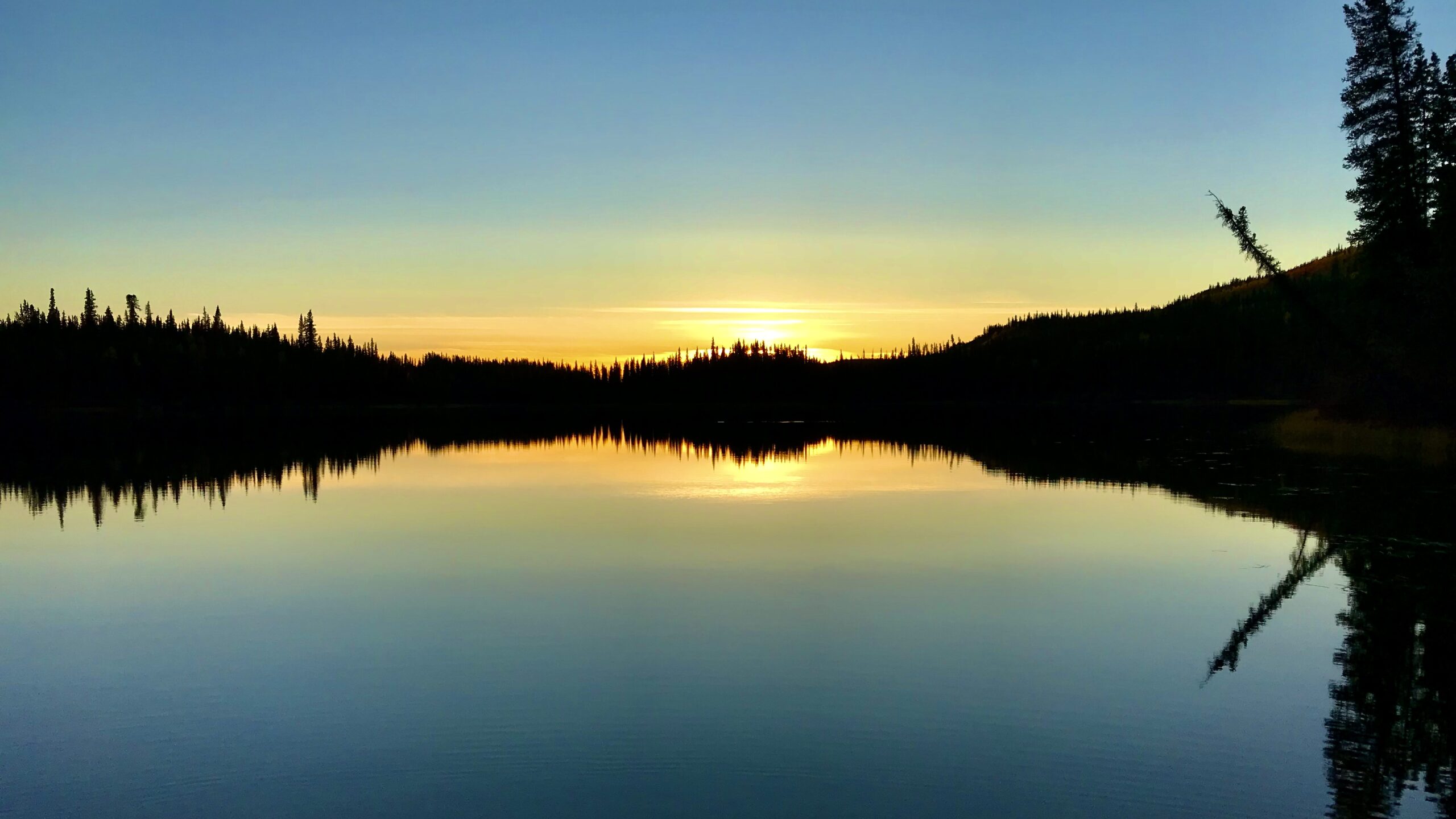
Mieke and Peter are travelling to the Yukon. The Yukon River was named after his original Gwich’in name Yukon meaning “Great River”. It was a main route during the Klondike Gold Rush at the end of the 19th century.
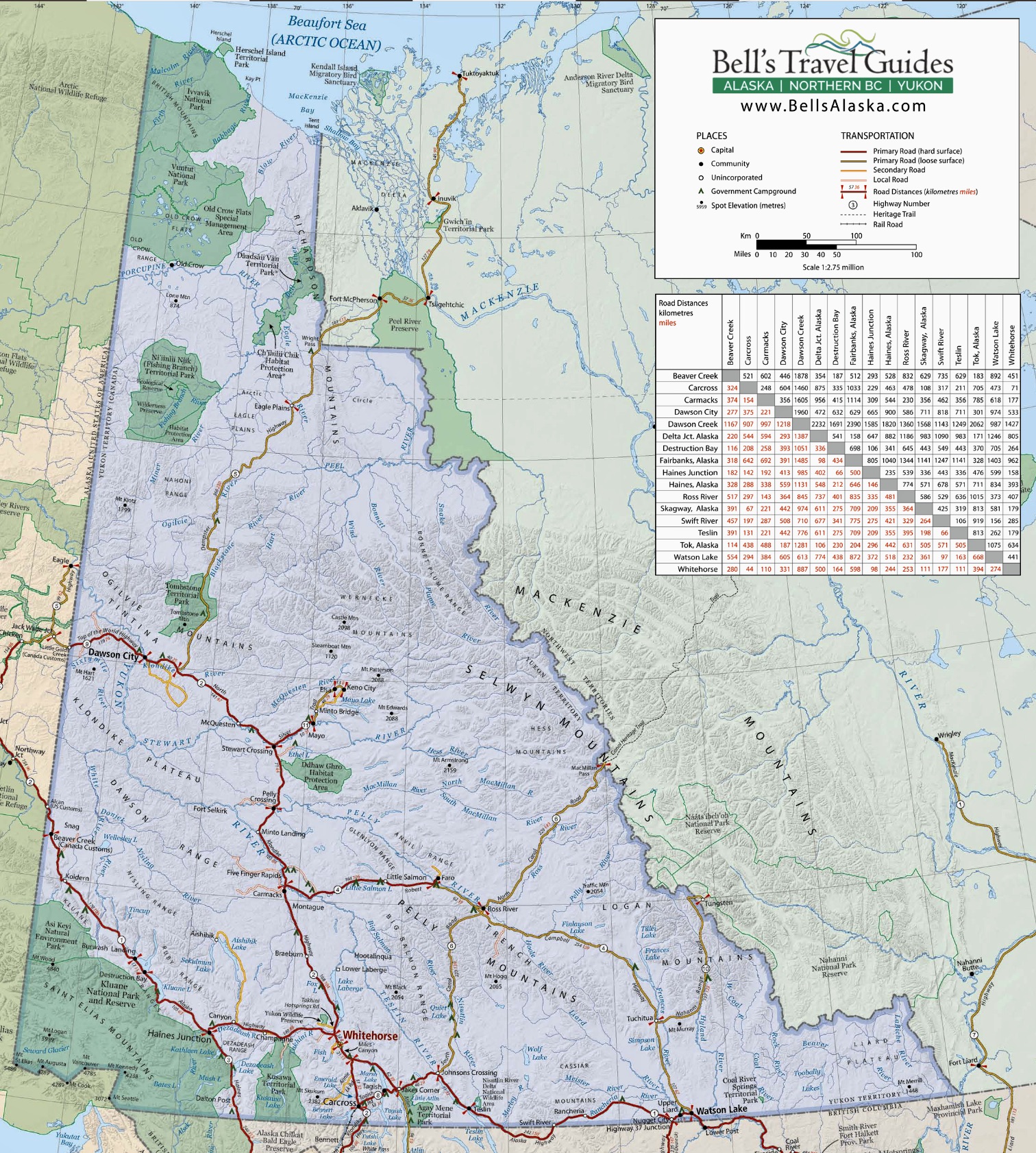
We’ll paddle from Whitehorse to Dawson City, 736 km !
This website is the place where we will inform you about our trip. 
We will post here our most beautiful pictures of this trip and start with photos from a trip Peter made in 2018.

We hope you’ll like it. 

Yukon august-september 2026

Departure from Nice (France) on the 23th of august.

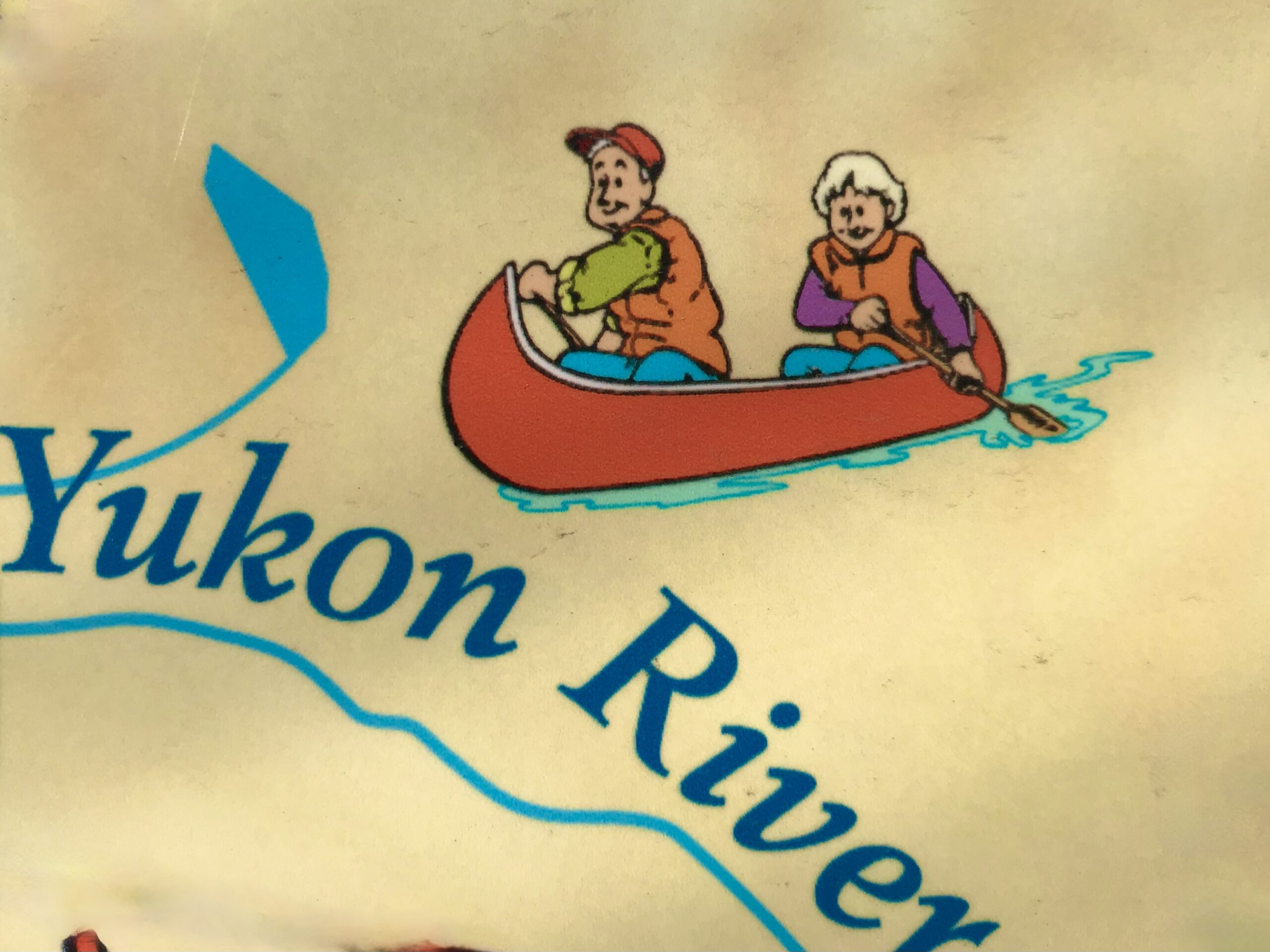
IMG_2701_cartoon

Canoeing from Whitehorse to Dawson City

This will take the first 16 days of our trip

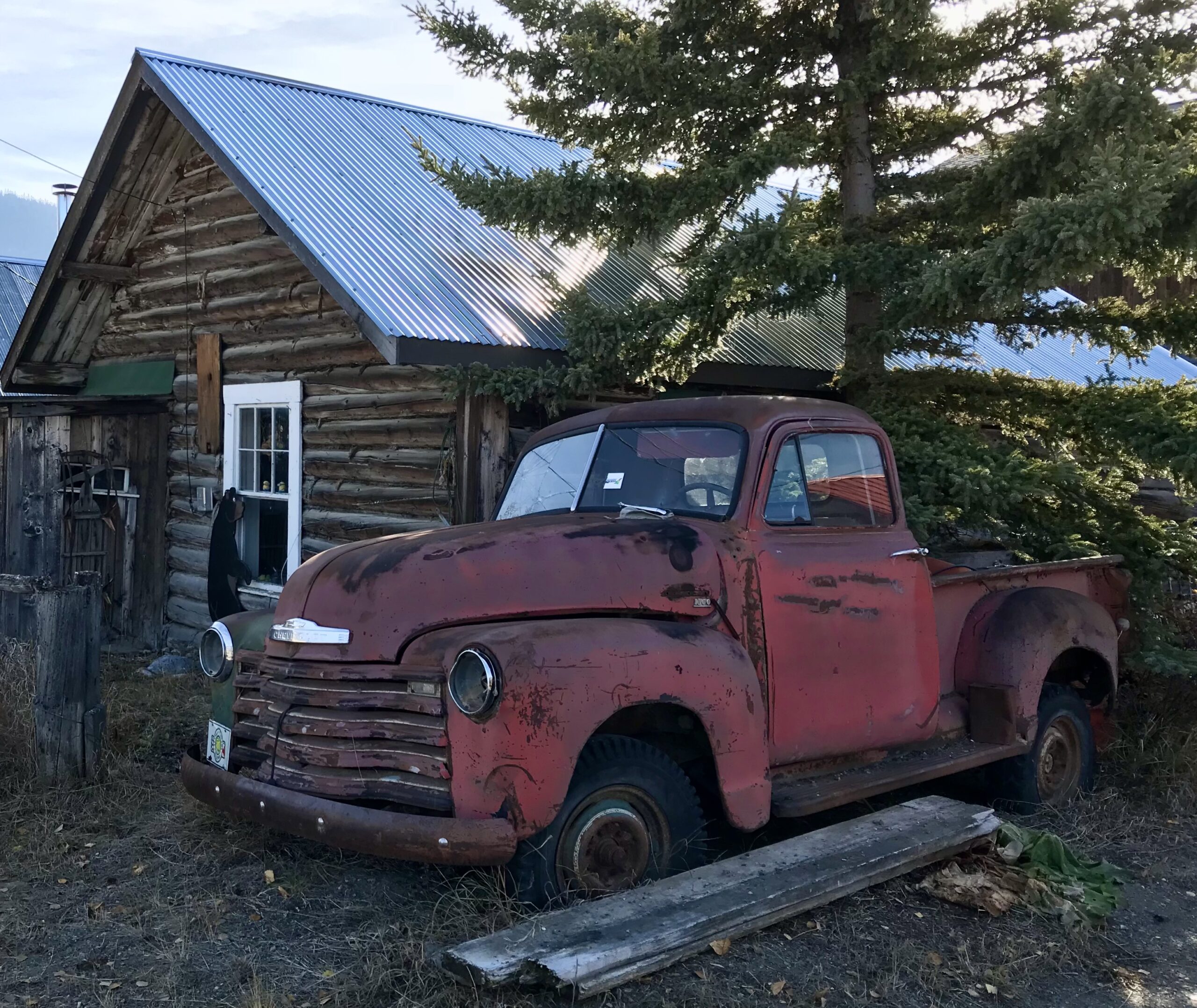
IMG_2762_oldcar

Trekking

Then we will travel around for a while

What to look for...

wild life

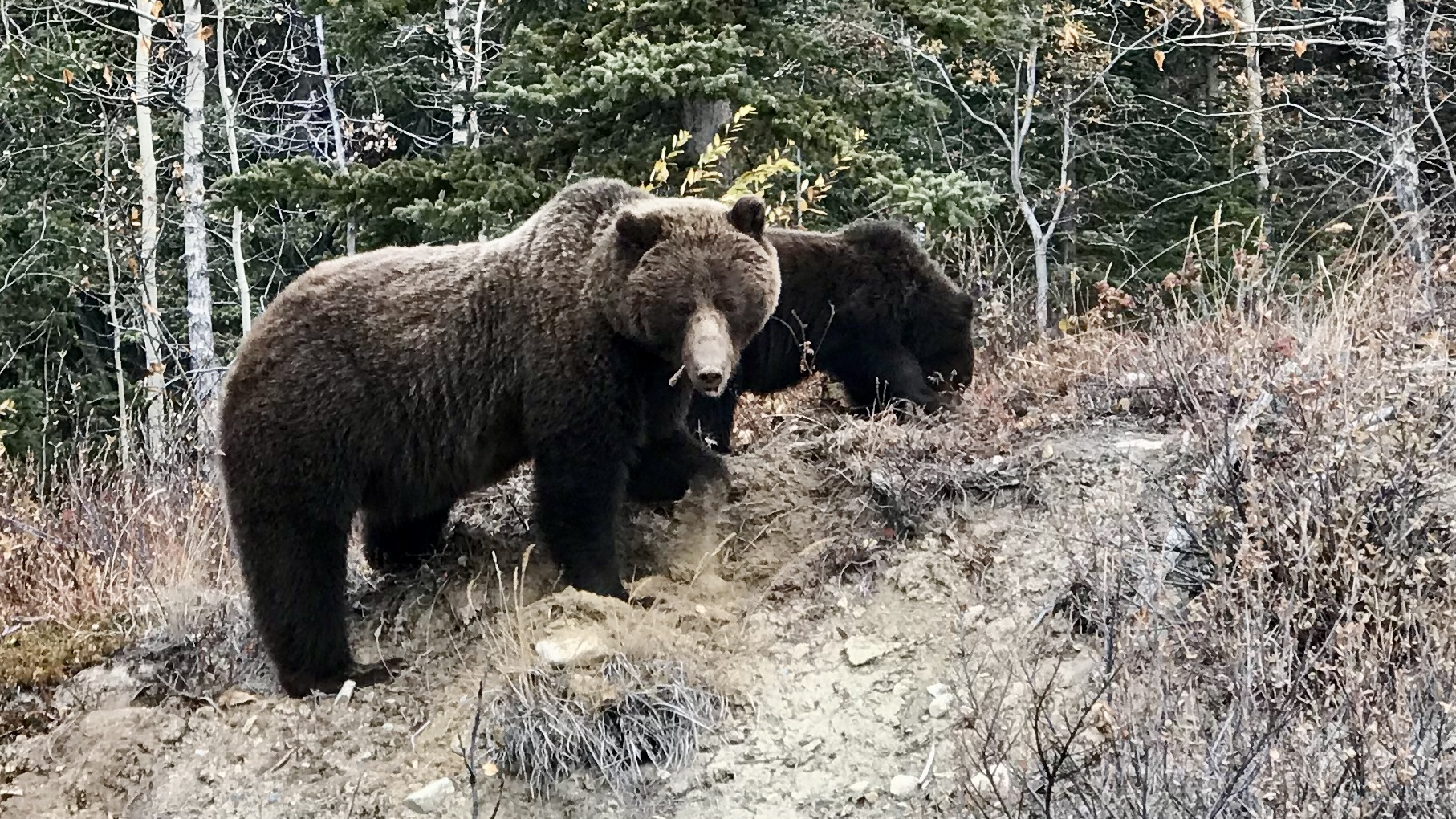
GRIZZLY BEAR

Grizzly bears live throughout the entire Yukon from the British Columbia border to the Arctic coast. The territorial population is estimated at between 6000 & 7000 animals.

BLACK BEAR

Black bears can be found from the Yukon’s southern border to tree line near the arctic circle. Unlike the grizzly, it is a forest bear and confined to river valleys and strips of forested habitat. A rough population estimate is 10,000 animals throughout the territory. 

History

Long before the arrival of Europeans, the central and southern Yukon was populated by First Nations people. The land supported vast herds of mammoth, bison, horse and caribou, and it was here that people made their homes despite a weather forecast that would ward of most.

Perhaps the most commonly known era of the Yukon was 1896, when George Carmack, discovered gold in what is now known as Bonanza Creek, located near Dawson City. The discovery spurred the legendary Klondike Gold Rush (1896-1899), making Dawson City one of the largest cities in the North West. When it all ended in 1899, unfortunately for most of them, leaving the Yukon dead broke was more common than not.

The total population of the Yukon is now about 50,000 people. Nearly 79% of the population lives in the capital city of Whitehorse. 

scenery

The territory’s tourism motto is “Larger than life”. 
The Yukon is as big as Spain, but with vast, natural spaces, remote locations and mindblowing views. Lots of rivers with the mighty Yukon River stretching over 3,000 kilometres from beginning to end. It weaves its way through the Yukon landscape, criss-crossing rivers, glacier-fed lakes and world-class national and territorial parks.

Yukon Five Fingers Rapid

The only rapid of the yukon river

Camp Robber

The Candian-Siberian-Jay (Perisoreus canadensis), also known as the grey jay, gray jay, camp robber, moose bird, gorby, or whisky jack, is a passerine bird of the family Corvidae. The Canada jay is a relatively large songbird, though smaller than other jays.

A little impression of our trip​

Start of the plan

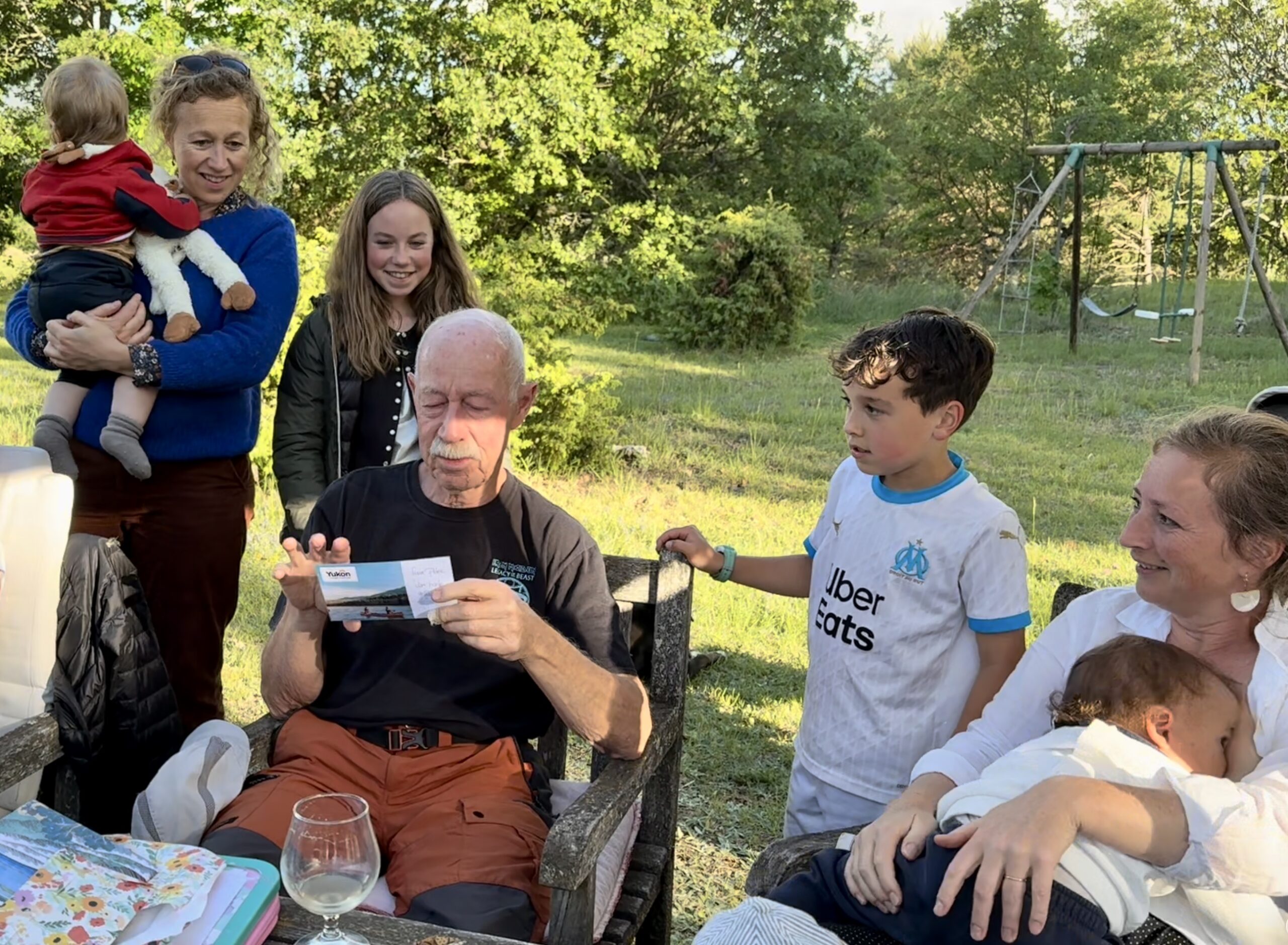
On Peter's 79th birthday Mieke proposed a canoe trip on the Yukon before his 80th.

5 may 2026
16 april 2026
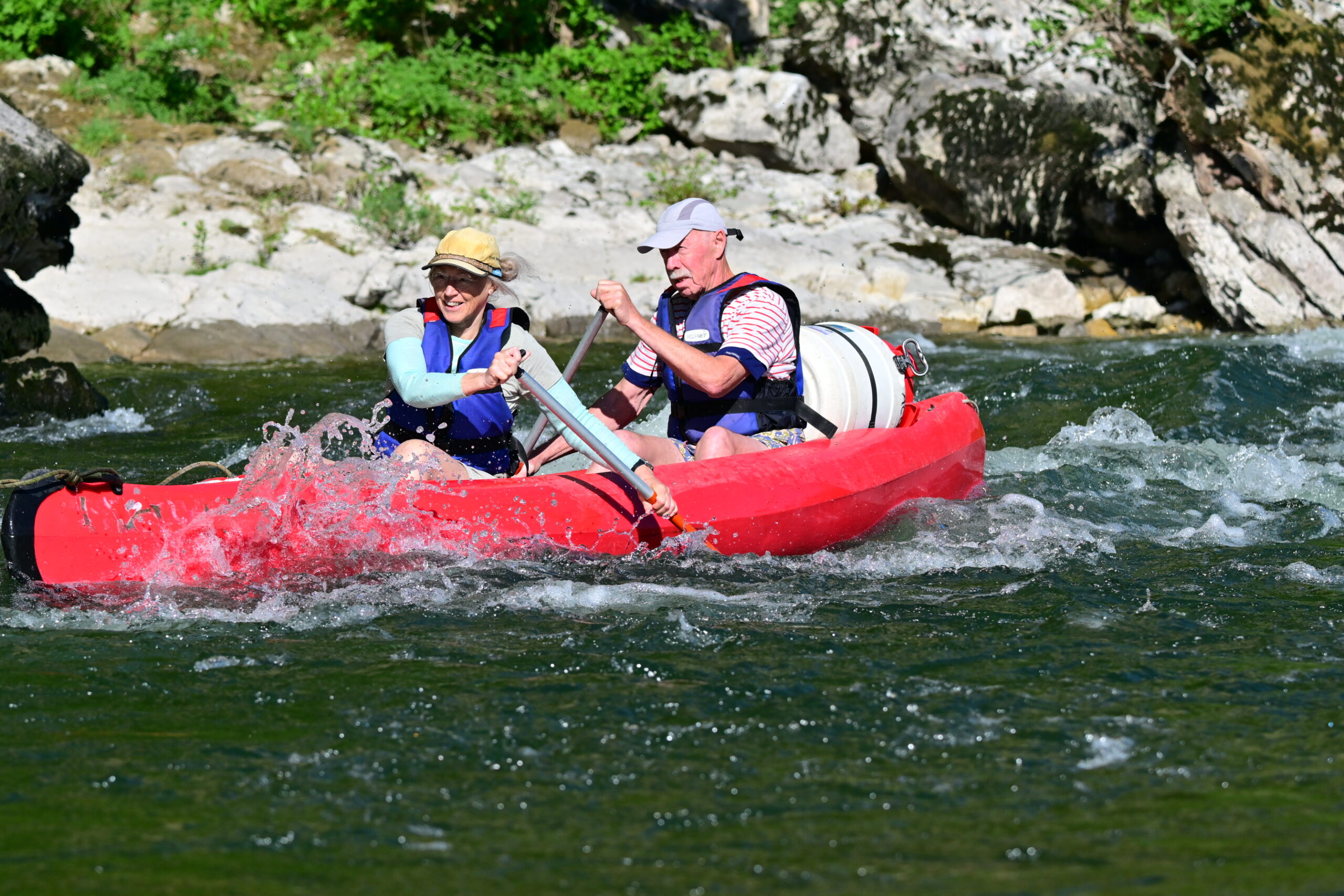
First preparation

We already did a little warming up on the Ardeche in april.
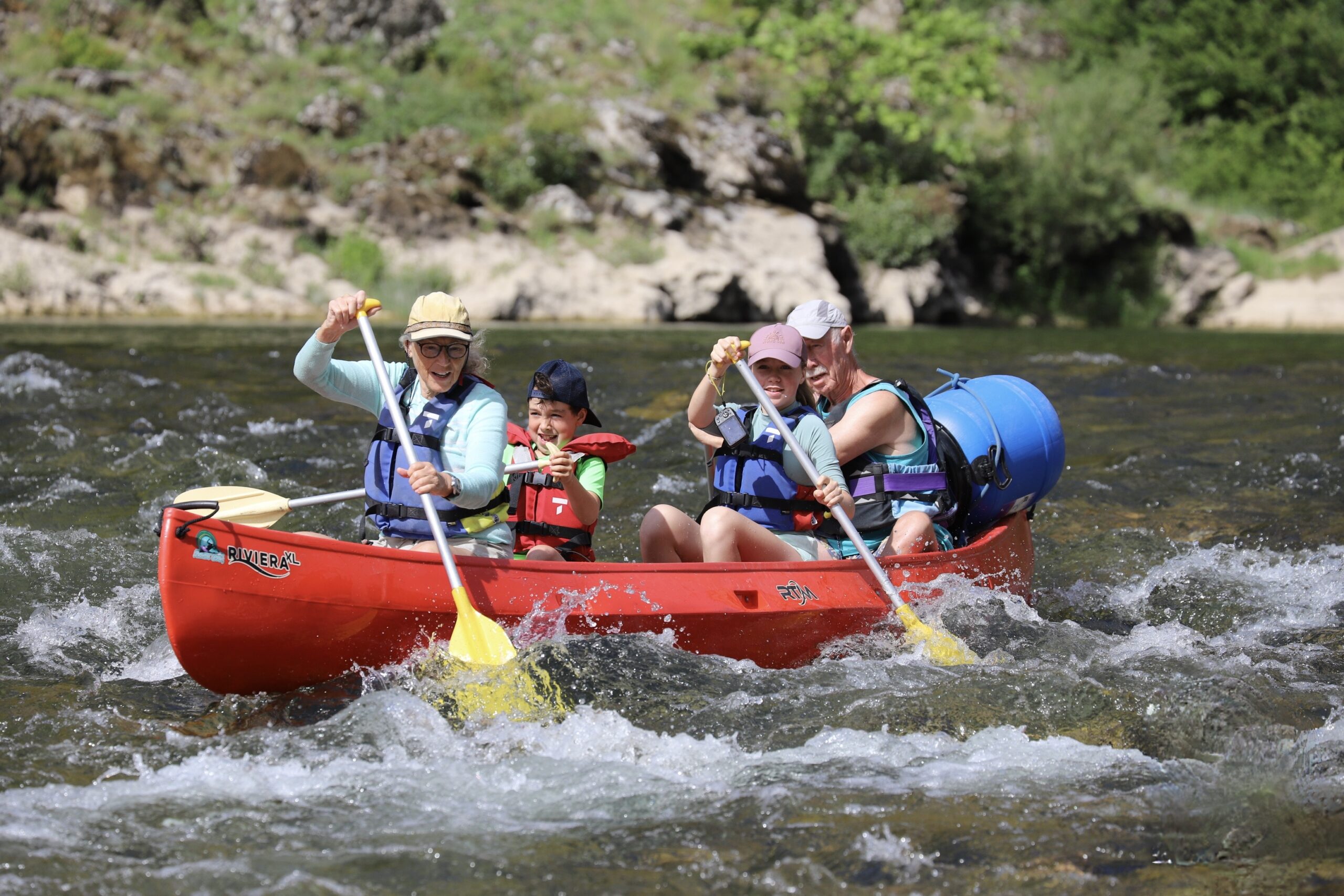
Second run on the Ardeche

Again paddling in the Ardeche Gorges with our grandchildren Ludmila en Livio

7 june 2026
14 august 2026
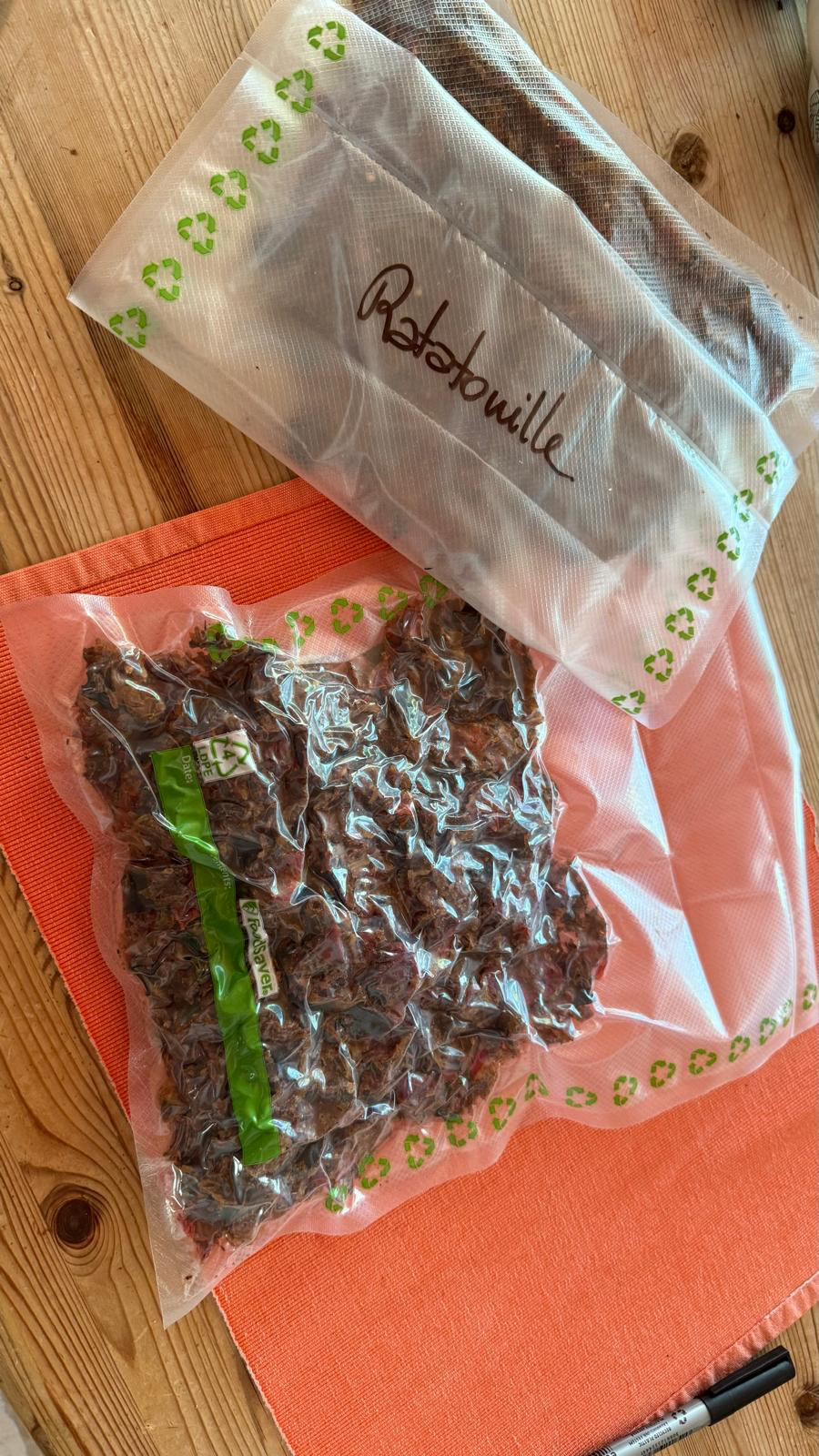
Food preparation

Before departing we prepare our camping gear and enough dry food for during the river trip.

You can read the rest of the story on our blog page

Black Bear Family

The black bear, is a species of medium-sized bear. It is the canada's smallest and most widely distributed bear species.

To send us a message

You can write us at mieke-peter@laphilia.fr While on our way it will take some time though before we can reply.

The Stewart river originates in the Selwyn Mountains, which stand on the border between the Northwest Territories and the Yukon Territory.